George you are right and it has been discussed here as well. Depending on the species it can be very high. For example FH life cycle 1-2 years (means they have to recruit or be replaced every year +- or they will be gone from natural morts even without predation). Often people fail to take in to account natural morts. in population analysis which is a serious mistake. It is important to distinguish between the static concept of standing crop ( a picture of fish #s at a fixed point in time) and the dynamic concept of life cycle (recruitment , growth , reproduction and death). I hope that is not to Long-Haired.

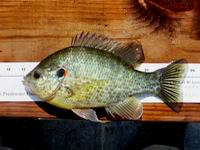
An easy way to think about it is that for every 70,000 BG born ( the appx. # of eggs of a BG pair in one year) only a few will reach adult stage and successfully reproduce and replace their parents. Yet that is way more than enough to over-populate and stunt unless there is extensive predation. Its all about understanding the nature of the fish and their balance and natural morts is a big part of the equation.
To answer your question - Most people do because they want to be sure something (sick fish)is not going to greatly increase the rate of natural morts.


.gif)