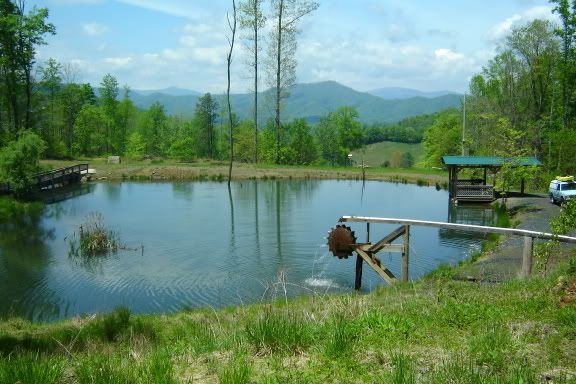
ML, Ted, Bruce and Sue all gave you some food for thought. If I may, I would like to add my experience with trout in the NC mountains. We experimented with the night only option and as Bruce mentioned, we had plooms of hydrogen sulfide still be lifted when the system was first turned on each day.
This clients pond is 30' deep and has a stream feeding it all year. I think depth played a big roll in the amount of decomposed debris on the bottom of this pond as well as the surrounding trees that defoliate each year. We simply were not meeting the oxygen demand of the pond by simply running the system 12 hours each day. I would suggest at spring start up, running the system all day especially with the heavy chara load you have. That chara will consume oxygen at night and if you do not have enough oxygen "in the bank" you may wake up to a nightmear.
As for setting a diffuser where the spring enters your pond, as you described, the trout are there for the colder water. If you add a diffuser there, you may tend to bring the warmer water from the pond and mix it up with the colder water making it too warm for the trout. I would see if you could make a rip rap out of the stream to add oxygen as the water breaks over the rocks before it enters the pond.
If you wanted to experiment in the spring before the trout need to use that area for refuge, we could send you a sample of our watergarden diffuser (smaller than an AirPod diffuser for the lake) and take temperature readings throughout the day to see how much that diffuser affects the temperature.
Just some more food for thought as you wait out this winter. By the way, 15 degrees here right now with snow flurries. Here is a photo of our clients trout pond.
 Trout Pond Video