Don't want to get bogged down in semantics. "Learned" is a catch word here. LMB can become conditioned but do they really learn "ability to think". That shiner tasted good and fit well in my mouth with no fins.
Energetics demands that they max their energy use vs. energy intake. see above "Optimal foraging theory postulates that predators maximize the ratio between the benefits gained and the costs incurred in obtaining prey. " What that means is a LMB is not going to swim around looking for a shiner to eat because it remembers it tasted good before. It is going to eat what gives it the most energy return for the energy expended. That is a genetic/instinct response to a biological function.
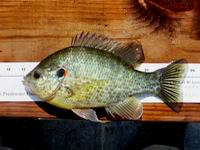
Keep in mind the forage population differences. In big open water lakes shiners and shad are the most abundant forage in #s and vol so that is what a LMB is most likely to encounter and thus makes the most energetic sense to eat. But in small waters like ponds the most abundant forage is likely to be BG/sunfish and there it makes the most likely source to be encountered and make the most energetic sense.
A close reading of the study above shows the factors I am referring to - predator gape size , energetics and the lake's prey dynamics (statistical probability).
Studies (I need to relocate)on LMB foraging (sunfish vs. tilapia) show just how well a LMB even from fry size by instinct know what their gape size allows and how accurate they are on strike and swallow ability (no wasted energetic effort). Do they make mistakes - yes but few and far between. The forage fish likewise know this susceptibility instinctively and if they are to big they are not worried about a non capable LMB being around them.
Its instinct not knowledge. More later.


.gif)