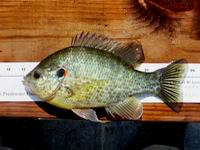
From a temperate area (water temps. 40 to 85)lake study not like SoCal lakes where temps stay not to high (80) and not to low (55) , but just right.
To maintain condition in a system where their
primary prey undergoes large fluctuations in seasonal abundance, largemouth bass maximize
caloric growth in the fall, store visceral fat, minimize standard and active metabolic demands,
and undertake some winter feeding in warm thermal areas.
winter water temperature
dictates the abundance and sizes of
available prey, which affect consumption by
largemouth bass and, therefore, growth. Seasonal partitioning of this consumed energy into
body processes by largemouth bass has not been
investigated.
In contrast, the visceral-somatic index
(VSI) varied widely between sexes over the
year. The VSI was high in the fall for both
sexes prior to cessation of feeding at around 10C or 50F.
Variations in condition indices of both sexes
during the year were influenced by consumption,
metabolism and reproductive demands.
Both sexes built up their fat reserves in the fall when consumption was high as evidenced by
the fall increase in the visceral-somatic index
(VSI).
Variations in the liver weight of largemouth
bass reflect storage of glycogen fat, and water,
which vary with consumption rate. Consumption was high during the late spring and summer, yet the liver-somatic index (LSI) of both sexes declined. This decline may have been related to utilization of energy for reproduction and temperature-induced metabolic demands. This same pattern in the LSI was found in
field-collected bluegills Lepomims macrochirus over a year and was attributed to summer
spawning and temperature. Because the liver
of largemouth bass is relatively small and glycogen is the primary storage product this organ probably provides short term
supplies of intense energy for activities
such as reproduction and pursuit of prey and
does not function as a major winter energy storage depot as it does in many northern predators.
From this info one could conclude that because temps in SoCal lakes in fall through spring stay at the temp. where LMB are generally gorging and adding fat (as opposed to temperate lakes which have only a short period for this activity before cold sets in) the fish just keep growing and getting fatter ie the fat-storing mechanisms of a pre-winter metabolism. Therefore it appears the the quote of Hannon by Bruce was partly correct. I say partly because the last sentence was IMO misleading in comparing a Tenn. LMB (which may well not be a Fla. strain) and one from SoCal (which is) is not a valid one. Apples to apples. From the direct yr/lgth/wt. data from a Cal. lake it should be an 8 yr old , 20.35in , 5.53lb Nort LMB from Cal and a 5 yr old, 20.39in , 6.44lb. Fla LMB from Cal. -- they just weigh a little more (20%+-) at the same length but get that size much faster and keep on going. My analysis for what it is worth.


.gif)