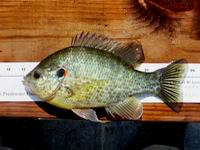
Temps. , weather , sun , rain they all effect the pond. Ice and snow cover not only mean it is cold but they have an effect on oxygen in the water and winter stress on fish. The wip-saw effect of temps going quickly from cold (ice) to warm especially if it is windy can cause extra stress on fish (and morts.). Please would a northern ponder post about the added effects of the temps./cold/ice/snow and how it impacts growth/fertility , trophic status and the pond calendar and any other northern factors which were not covered in the reports below. Thanks and take a gold star or two for your efforts.
From the DFW Reports :
WATER , DIRT AND LIGHT
In the beginning there was Water, Dirt and Light, but no pond.
Water , which we can never own , but only manage as it comes and goes in its different forms is often called the universal solvent . Every thing that can dissolve will do so in water. That is how water picks up oxygen and carbon dioxide from the air and nutrients like nitrogen, potassium and phosphates from the dirt. Water also picks up some of its acid or base character from dirt and that which grows in dirt .
Dirt is the vehicle, when mixed with water, for much of the fertility of all things living and breathing both on land and in the waters. The nature of dirt is different from place to place even over short distances. Even its ability to hold water, sand vs. clay or the amount of minerals present to foster growth varies greatly. That is why different waters can be fertile or infertile, acid or base, or even clear or muddy even when only a short distance apart. The mixing of dirt and water start many chemical actions or reactions but they alone are not enough. They need light.
Light is often referred to as the source of life because it brings with it heat and photosynthesis. Heat acts as catalyst for many chemical processes. Photosynthesis is the basic process where plants use light to create food and energy which sustains life. Blue-green algae, along with single celled plants and animals called, �plankton� create the base of the food chain in the water which is dependent on light for energy. Light is the engine of our world. It brings that energy in the form of food and heat.
Water, Dirt and Light when mixed create a fascinating and dynamic process. The process is in constant need of observation and management. It brings us fertility, visibility, weeds, and even fish which we all want, but only in the correct amount. The process will only support a finite amount of life per acre � its carrying capacity or standing crop.
Water , Dirt and Light are the basics of the pond. Remember the basics. Think first about them as you manage. From the selection of your pond site through the harvesting of fish, indeed in all pond matters remember the basics. To remember them and to see them at work is pure joy , to forget them peril.
ewest
edited by Bob Lusk
The Power of F3---Fertility, Food Chain and Fish
With basics of Water, Dirt and Light in mind, pond Site Selection and construction complete and the new pond filling with water, it becomes time to contemplate the Power of F3. Fish, Food Chain and Fertility are the F powers. When properly tied together these crucial components have exponential power. They also equal fun, fascination and fulfillment for you, your family and friends with a refreshing, renewed feeling of faith that things are right with the world�s design .
Fertility decisions are based on dirt and water. Remember soil samples taken and analyzed? Look at those results and examine nitrogen, potassium and phosphorous levels. Pay attention to pH and alkalinity. What occurs in dirt often occurs in nearby water. Some adjustments could be addressed during construction, especially the addition of lime or gypsum. If these issues weren�t investigated then, now is the time. These elements provide natural fertility when mixed with water. Scientist call water the �universal solvent.� Anything which can dissolve into water, will. Our job is to know what our water needs, measure natural amounts, then add what is needed. Fertility varies from place to place. Some ponds are naturally fertile, some are not. But, fertility can be enhanced with lime and fertilizer or other elements, if necessary. For example, there are ponds in Florida in old phosphate pits where water runs through underground mineral deposits which have natural fertility. This extrapolates into hundreds, maybe thousands of pounds of fish per acre while only one hundred miles north in Georgia there are naturally infertile ponds that can only grow fish at a rate of 100 pounds per acre. The former obviously needs little help with fish production, while lime and fertilizer properly applied to the second example can help increase production by as much as three to four fold.
Pond goals directly impact decisions how to stock and manage your food chain. Are you going to practice catch and release or have a put and take fishery? What type of fishing do you want and like, bass, bluegill or other? What size and type of pond or ponds do you have and are you going to manage them like aquaculture operations with extensive management for multiple species of fish or is fishing way down the priority list? Do you want gin clear water for swimming and recreation with fewer fish or green tinted water fertile with plankton � the base of the food chain? Visibility as measured by secchi disk should be no less than twelve inches. Eighteen to twenty four inches is recommended. Automatic fish feeders can be used to offset a reduced plankton bloom. But, be aware. Feeding fish adds nutrients to pond water, and not necessarily specific nutrients a pond lacks. The food chain {often referred to as a pyramid} starts with microscopic plankton which thrives on nutrients dissolved into the water column with sunlight as its energy source. Next are small animal organisms like zooplankton and aquatic insects which feed on phytoplankton. These, in turn, feed larger insects and small fish such as young bluegill and bass, which then supply larger predators, and so on, up the food chain. Man is then both the ultimate predator and pond manager. Whatever fertility program you choose be sure it is right for your pond and goals and stick with it for an adequate period. If you change, do so gradually, the food chain in ponds does not react well to abrupt changes.
Fish stocking can be started once the first levels of the food chain are in place. Stocking takes time and patience. There are a number of different stocking methods using different sizes of fish and timing schedules. However, first fish to be stocked are forage fish. Bluegill, redear, fathead minnows, tilapia, shad, and shiners are typical examples of forage fish. Some people also see importance of secondary species of forage such as crawfish or frogs or tadpoles or the like to add diversity to the forage base. The staple forage base for ponds managed for bass is bluegill because of this baitfish�s high reproductive rates. While some other species of forage fish may have their place in a pond management plan they are limited by their inability to reproduce in large enough numbers or by their limited life span in cold water. A diverse forage base is good and many combinations of these forage fish work well, but a successful plan involves the use of bluegill. Pond stocking plans may vary depending on goals, including the predator fish chosen. Largemouth bass {of all strains Northern, Florida or F1 crosses}, hybrid striped bass or catfish or a combination can be effectively used as the top predator fish. Each type of forage and predator fish has its pluses and minuses but a discussion of them is beyond the scope of this report. Take time to learn life histories and behavior patterns of each species of fish which interests you.
There are a multitude of different pond plans. Each can be as different as the people and ponds they represent. But, all depend on the power of F3 � Fertility, Food Chain and Fish. It is amazing to watch the power of F3 as the water becomes productive, the food chain develops, the forage fish go in and grow. Fish spawn, the food chain expands, followed by predator fish growth, then their offspring come and grow, eventually leading to a shift of balance of the pond. It is up to you to manage the process and keep it in balance doing what is required from testing and adjusting the water and dirt to adding or taking out fish both forage and/or predator . Fun, fascinating and fulfilling � you bet it is. Such is the power of F3.
by ewest
edited by Bob Lusk


.gif)