Thanks Greg and no you are not missing anything and are on point. The answer is it depends as noted in the study that reviewed the outcome of 60 other studies on shad effects (see chart above). The point is that no generlizations can be safely made. They are niteher right nor wrong in every situation. As a result blanket recommendations to use or never use TShad are inappropriate as it depends on the goal and the pond. Here is what Bob said on another thread.
Bob Lusk
Editor, Pond Boss Magazine
Lunker
Registered: April 10, 2002
Posts: 2000
Loc: Whitesboro, Texas
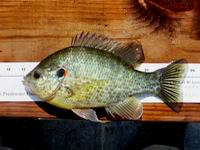
(71.96.219.121) Threadfins compete with young bluegill for food. Threadfins prefer zooplankton, as do young bluegill. But, threadfins prefer open water, rather than shoreline cover as bluegill. So, even though they eat similar foods, they don't necessarily eat in the same restaurants. Since they live in a differenct niche, threadfins are an asset. Essentially, the plankton shad eat probably won't be eaten by baby bluegill. So, threadfins don't disrupt bluegill. (There are exceptions, of course...if threadfins populate heavily. But, in that case, there is lots more food for bass anyway.)
In my opinion, threadfins help the bluegill population by reducing competition for food for bass. More forage extrapolates to higher survival of young bluegill, actually enhancing the bluegill population. So, without threadfins, bass tend to decimate bluegill populations. With threadfins, bass are more often satiated and the odds of bluegill survival rise, at least temporarily.
_________________________
My mom told me, "If it ain't one thing, it's another"...she was right.
Sounds a lot like your answer Greg. This was for a balanced pond not trophy LMB or BG. Good luck Big Pond and post pics of those tiger bass and cats.


.gif)