|
Forums36
Topics42,112
Posts571,657
Members19,114
| |
Most Online13,012
Jun 7th, 2026
|
|
|
8 members (jludwig, Sunil, Pond Star, Theo Gallus, ewest, Terry Battisti, emactxag, Bill Cody),
2,601
guests, and
53
robots. |
|
Key:
Admin,
Global Mod,
Mod
|
|
|
|
Joined: Mar 2005
Posts: 22,032 Likes: 483
Moderator Hall of Fame 2014  Lunker
|
|
Moderator Hall of Fame 2014 Lunker
Joined: Mar 2005
Posts: 22,032 Likes: 483 |
bz those HBG know what's coming and are stocking up for winter.
To maintain condition in a system where their
primary prey undergoes large fluctuations in seasonal abundance, largemouth bass maximize
caloric growth in the fall, store visceral fat, minimize standard and active metabolic demands,
and undertake some winter feeding in warm thermal areas.
Variations in the liver weight of largemouth
bass reflect storage of glycogen fat, and water,
which vary with consumption rate. Consumption was high during the late spring and summer, yet the liver-somatic index (LSI) of both sexes declined. This decline may have been related to utilization of energy for reproduction and temperature-induced metabolic demands. [[ This same pattern in the LSI was found in
field-collected bluegills Lepomims macrochirus over a year and was attributed to summer
spawning and temperature.]] Because the liver
of largemouth bass is relatively small and glycogen is the primary storage product this organ probably provides short term
supplies of intense energy for activities
such as reproduction and pursuit of prey and
does not function as a major winter energy storage depot as it does in many northern predators.
.gif) 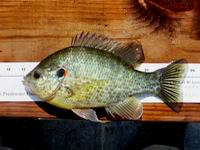
|
|
|
Moderated by Bill Cody, Bruce Condello, catmandoo, Chris Steelman, Dave Davidson1, esshup, ewest, FireIsHot, Omaha, Sunil, teehjaeh57 |
|







