|
Forums36
Topics42,114
Posts571,689
Members19,115
| |
Most Online45,564
8 hours ago
|
|
|
|
Joined: Mar 2004
Posts: 5
Junior Member
|
|
Junior Member
Joined: Mar 2004
Posts: 5 |
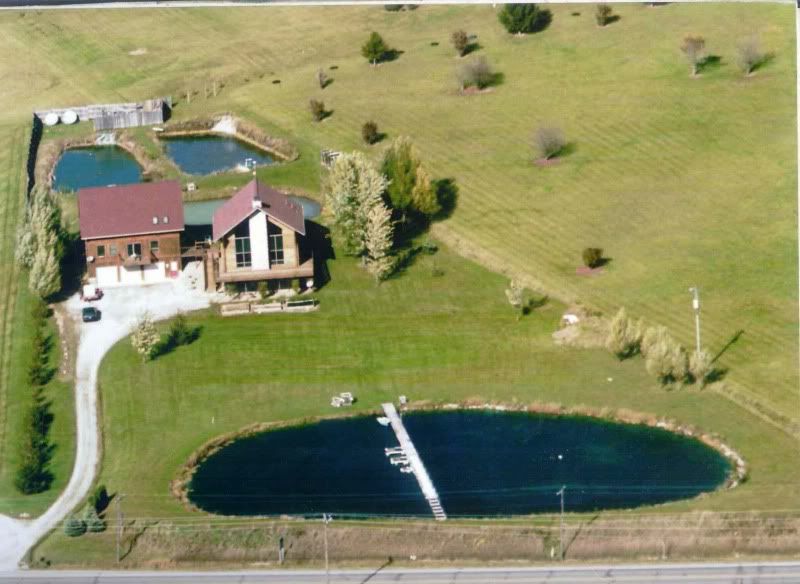
Hoping you good folks can give me some help. I've got a shallow pond in Michigan about a 1/2 acre in size. Depth averages between 3-5 feet. Does the bacteria out on the market really work in "eating up" the sediment and muck? Which brand do you recommend? Also, does a diffuser help in breaking this muck down?
|
|
|
|
|
Joined: Oct 2002
Posts: 171
Member
|
|
Member
Joined: Oct 2002
Posts: 171 |
Wingsfan, if you have power within a hundred feet or so, you are probably in a good situation for using air and bacteria to reduce your organic sediment. A small compressor with one or two diffusers should be enough depending on pond shape. I have great success with a product called Aqua-T. Robert B [email protected]
|
|
|
|
|
Joined: Mar 2004
Posts: 5
Junior Member
|
|
Junior Member
Joined: Mar 2004
Posts: 5 |
I appreciate the help, Robert. Who sells Aqua T, and how soon will I notice results?
|
|
|
|
|
Joined: Oct 2002
Posts: 171
Member
|
|
Member
Joined: Oct 2002
Posts: 171 |
There are many bacterial brands on the market including the magazine adds. I sell Aqua T along with one other brand which is a little more expensive. Haven't seen a difference in results between them. You can sometimes get quick results in reducing planktonic algae, but bottom sludge is several inches in reduction a year at best.
Robert B
|
|
|
|
|
Joined: Aug 2002
Posts: 20,043 Likes: 1
Hall of Fame  Lunker
|
|
Hall of Fame Lunker
Joined: Aug 2002
Posts: 20,043 Likes: 1 |
Robert,
Just being a Devil's advocate here but do you really have evidence of sediment reduction with the bacteria? I have used bacteria too, but was always been under the impression that it reduced the accumulation of the sediment -- not the existing sediment. I have not seen any studies to back this up. Have you?
Like I said I have no doubt that the bacteria used in conjunction with aeration can reduce sediment from accumulating and outcompete algae, but I'm skeptical in them reducing already existing sediment.
If pigs could fly bacon would be harder to come by and there would be a lot of damaged trees.
|
|
|
|
|
Joined: May 2002
Posts: 3,973 Likes: 1
Ambassador
Field Correspondent Lunker
|
|
Ambassador
Field Correspondent Lunker
Joined: May 2002
Posts: 3,973 Likes: 1 |
Cecil not sure of what you mean by sediment, but for muck, organic layers it can be reducded. When we setup the aeration system we will get things "kick started" with bacteria. I have seen in one pond where you could step and be up to your kness in nasty carp that by the following spring it was down to only angle deep. Not too scientific I know but it appears to be that if you keep the bottom of the pond in an aerobic environment then you can reduce organic layer significantly. However I also belive just putting in the bacteria products in a stratified pond is a waste of money.
|
|
|
|
|
Joined: Jan 2004
Posts: 969
Lunker
|
|
Lunker
Joined: Jan 2004
Posts: 969 |
Wingsfan,lets say your pond averages 4 ft and is 1/2 acre. Your total gallons would be 650,000 gallon. If you install a single Vertex Coactive Air station which will turn over approx 1400 GPM your pond will turn over 3.1 times per day with 1 CFM.This is more than adequate to reduce your sediment with natural aerobic bacteria.I always advise proper aeration for at least two years before spending $$ on microbial aids.You should expect approx 3-6 inches of sediment (muck)reduction per year.If you have eroded sediment such as watershed induced topsoil it will have to be mechanically removed.I lean towards the Vertex diffusers as they move the most water turnover per CFM of any on the market. Hope this helps Ted
|
|
|
|
|
Joined: Mar 2004
Posts: 5
Junior Member
|
|
Junior Member
Joined: Mar 2004
Posts: 5 |
Guys,
I sure do appreciate all the help. I do have a fountain that I use throughout the warmer months, but it sounds like a bottom diffuser is the way to go to burn up the muck. My pond is the shape of an ice rink. Approx. 220 ft long and 90 ft wide. As I have no knowledge of diffusers, exactly what type and size am I looking to buy to handle this size pond. Thanks again to all.
|
|
|
|
|
Joined: Feb 2003
Posts: 95
Lunker
|
|
Lunker
Joined: Feb 2003
Posts: 95 |
In regards to the bacteria, also remember that the sediment or "muck" must be organic. Beneficial pond microbes do not metabolize and consume inorganic materials.
|
|
|
|
|
Joined: Jul 2003
Posts: 12
Member
|
|
Member
Joined: Jul 2003
Posts: 12 |
i read comments on removing muck with bacteria and enzymes. i have talked with k.duffie about this. i have a 1 1/2 acre pond in black land clay in central tx. too much run off to keep algae growth down. do not have aeration. i would like some comments on air compressor types, etc. since pond has no natural inflow other than rain runoff, plan to install aeration system this year.
|
|
|
Moderated by Bill Cody, Bruce Condello, catmandoo, Chris Steelman, Dave Davidson1, esshup, ewest, FireIsHot, Omaha, Sunil, teehjaeh57 |
|